

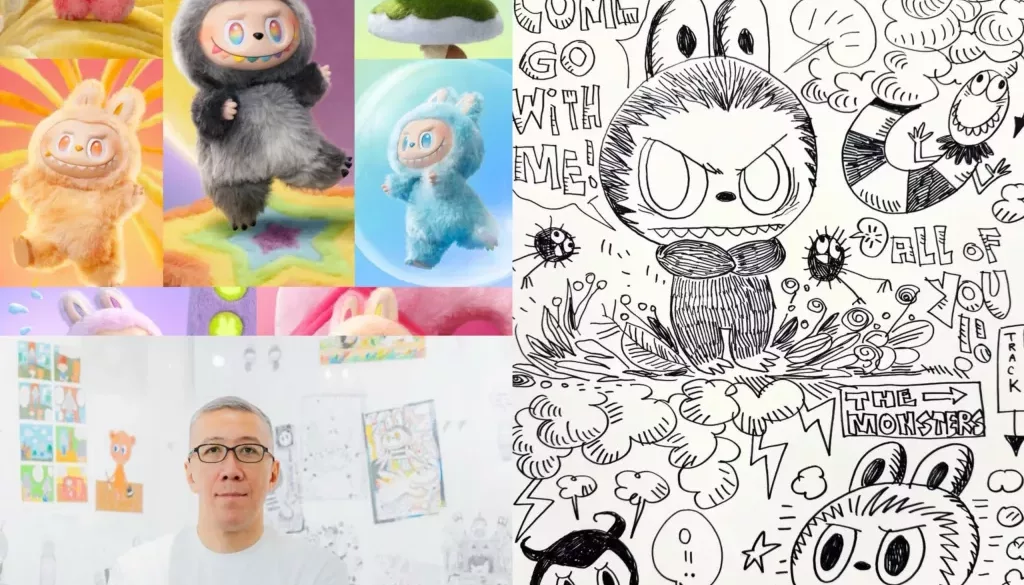
Labubu: The $1.6 Billion Marketing Marvel Behind China’s Designer Toy Sensation
How did a quirky little elf become one of the most successful designer toys and generate $1.6B in value for China?
Let’s break down the marketing blueprint behind Labubu’s meteoric rise.
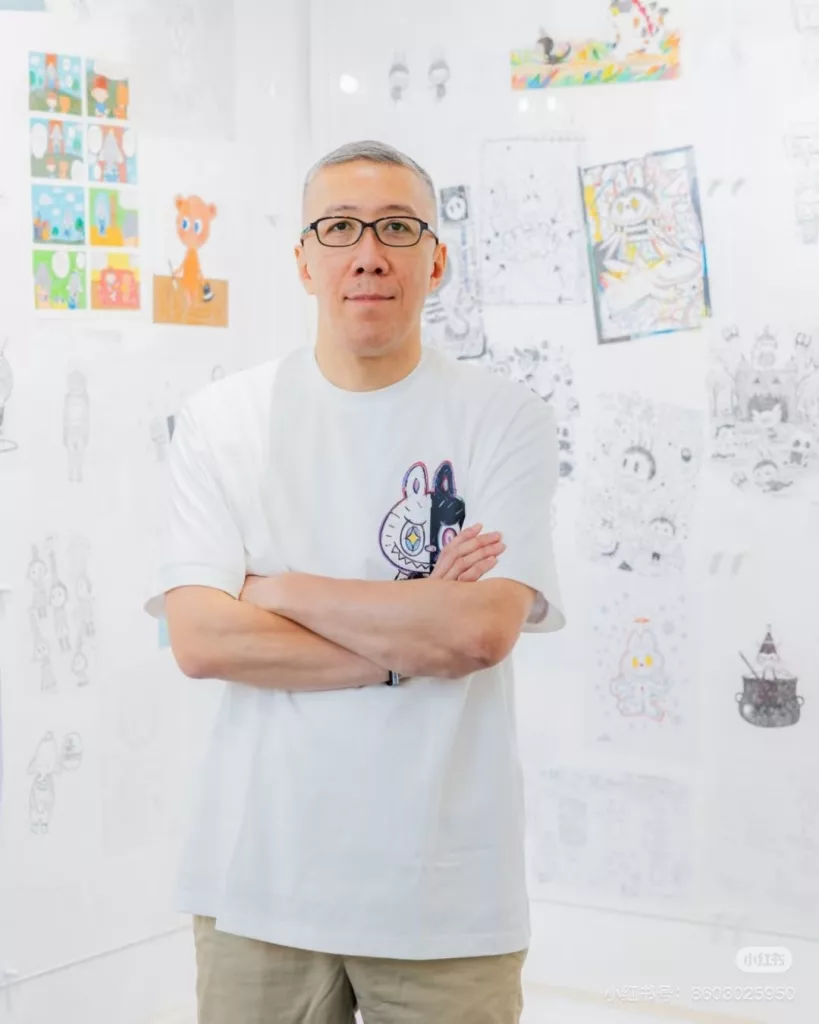
1. Strategic IP Incubation: From Niche Drawing to Distinct Brand
Labubu was first created by artist Kasing Lung in 2010. Originally just a character in a picture book, its initial attempts in toy collaborations were not commercially successful.
But persistence paid off.
In 2017, Pop Mart spotted Labubu’s potential at a Hong Kong exhibition. The team refined its design — amplifying its “ugly-cute” contrast — making it mysterious, adorable, and highly recognizable.
A strong visual identity was born.

2. Powered by Pop Mart: Commercialization Begins
Pop Mart wasn’t just a toy company — it was a marketing powerhouse.
By integrating Labubu into its extensive IP ecosystem, Pop Mart leveraged:
Cross-brand momentum
Established retail channels
The infamous blind box model (with rare “hidden” versions)
This gamified shopping experience fueled excitement, boosted repurchase rates, and turned toys into collectibles.

3. Localized Global Expansion: Winning Hearts Worldwide
Labubu’s global popularity owes much to localization:
- Localized Products: Exclusive designs inspired by local culture (e.g. Merlion Labubu for Singapore, Diver Labubu in Japan).
Check out our latest article about localization here
- Local Artist Collaborations: Partnering with Thai and U.S. artists to reflect local aesthetics and themes.
- Cultural Campaigns: In Thailand, Labubu became an official “Amazing Thailand Experience Officer,” promoting culture through playful, Instagrammable appearances.
From pop-ups in the Louvre to temple visits in Bangkok — Labubu went global with a local touch.

4. Celebrity & Social Media Fuel: The Viral Multiplier
Enter: Lisa from BLACKPINK.
When one of Asia’s biggest stars showcases Labubu, the internet pays attention.
Lisa not only posed with Labubu but even posted a comparison video between characters. Thai celebrities and even royalty followed suit, sparking a viral wave.
Labubu wasn’t just a toy. It became a cultural icon and social symbol for Gen Z across Asia.
See how we apply the same principal in our campaigns here
5. Emotional & Cultural Resonance: More Than a Toy
Labubu represents:
- The underdog (“ugly-cute” appeal)
- Emotional duality (dark but loveable)
- Aesthetic rebellion
It resonates with young consumers seeking individuality, emotion, and symbolic lifestyle products. Labubu is no longer just a toy — it’s a statement.
6. Omnichannel Distribution: Maximum Reach
Pop Mart built a diversified sales engine:
- Online: Official store, JD.com, Tmall, Shopee
- Offline: Flagship stores, vending machines, pop-ups in high-traffic locations
Every touchpoint was a branding opportunity.
The Takeaway
Labubu’s $1.6B success isn’t just luck or a cute fad.
It’s the result of a masterclass in full-funnel marketing:
✅ Clear brand identity
✅ Strategic partnerships
✅ Global-local adaptability
✅ Celebrity endorsement
✅ Emotional storytelling
✅ Omnichannel distribution
Labubu shows us what happens when art, culture, and commerce collide — and when the marketing is spot on.
About us
HI-COM Asia is a multilingual communication agency based in Shanghai, specializing in marketing localization, influencer campaigns, PR, and creative strategy. We help global brands connect with Chinese and international audiences through culturally relevant, high-impact content.
Want to build your brand story in China or beyond? Let’s talk.