





TRANSLATION BY INDUSTRY · MARKETING & ADVERTISING
Marketing and Advertising Translation for the China Market
Marketing and advertising translation for China means more than converting words — it means adapting tone, imagery, and claims to Chinese consumer culture while staying inside China’s Advertising Law. Certain words and claims that are standard marketing language in English — “best,” “number one,” “guaranteed,” “limited time” — are legally restricted or outright prohibited in Chinese advertising, with fines from CNY 200,000 to 1,000,000 for violations. HI-COM combines transcreation (native copywriters rebuilding the message, not translating it word-for-word) with compliance screening, so campaigns land culturally and stay compliant.

 ISO 17100 certified
 TAC member
 40+ languages
What Marketing and Advertising Translation Actually Involves
Translating a tagline word-for-word into Chinese usually fails — either it falls flat culturally, or it accidentally uses language Chinese advertising law restricts. Two separate skills are needed: transcreation (a native copywriter rebuilding the message for a Chinese audience) and compliance review (checking the final copy against what Chinese advertising law actually allows). Most agencies offer one. HI-COM’s process covers both, in one workflow — so you’re not paying two vendors to solve one problem. For campaigns that need heavier creative rework, see Transcreation Services.
Why Certain Words Get Your Ad Pulled in China
China’s Advertising Law (in force since September 1, 2015) restricts a specific, named list of claim types:
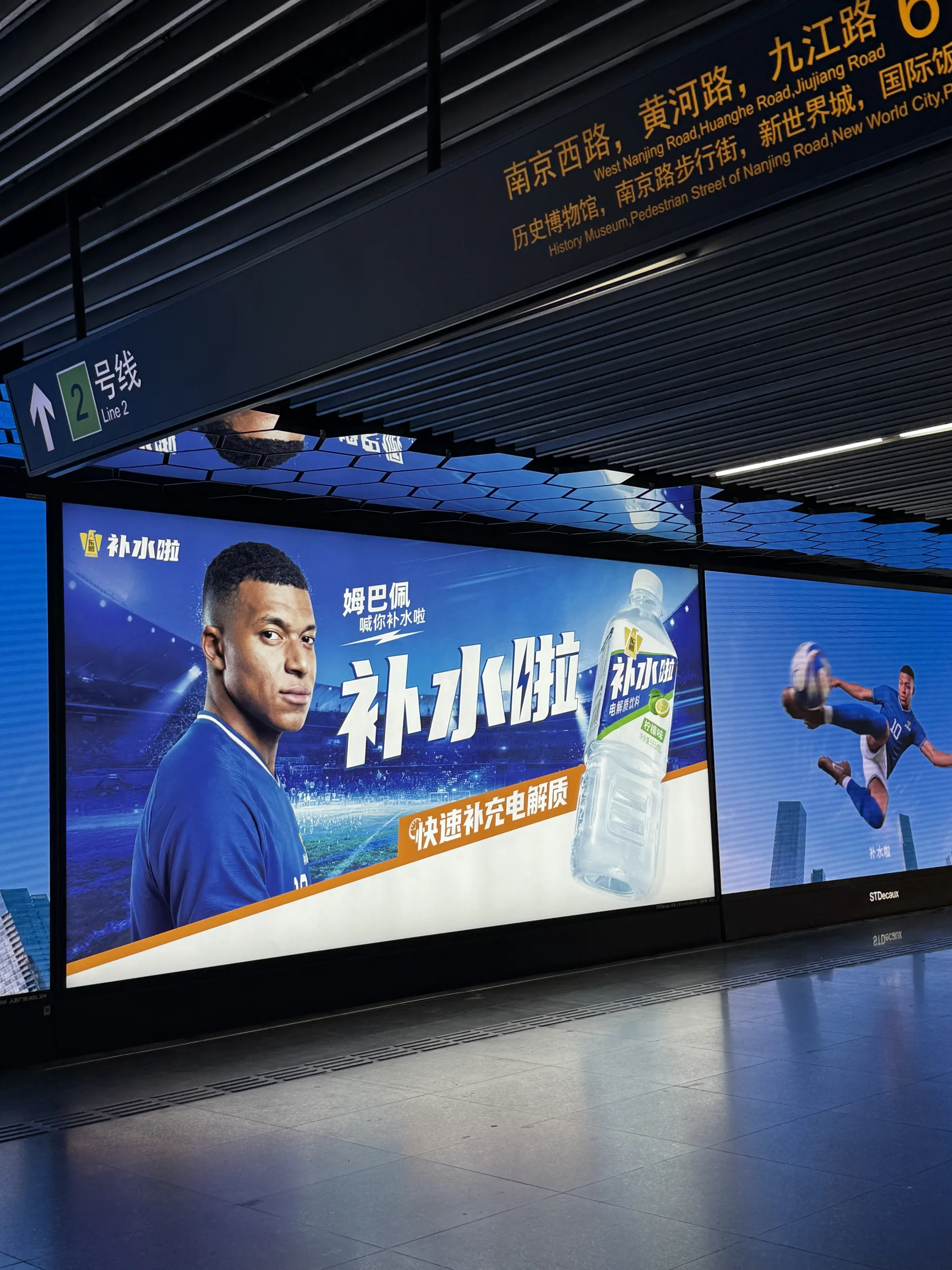
Certain categories — medical, health foods, education/training, investment, tobacco — face additional restrictions and, in some cases, require approval before an ad runs at all. Violations carry fines of CNY 200,000–1,000,000, and enforcement isn’t limited to regulators — competitors and consumer watchdogs actively report non-compliant ads. Free online checkers exist (such as jinyongci.com) that flag restricted terms automatically — which tells you this is a systematic, checkable risk, not a vague guideline. What a checker can’t do is rewrite your copy so it’s still persuasive without the flagged words — that’s the part that needs a native copywriter, not just a filter.
This is operational guidance based on publicly available regulatory information, not legal advice. For a specific campaign, especially in a regulated category, confirm with legal counsel.
For the complete list of restricted terms and how they commonly appear in Chinese marketing copy, see HI-COM’s guide to China’s advertising law.
What We Translate and Adapt
How the Process Works
Source content and brand guidelines review
Native Chinese copywriter reassigns the message for cultural fit (transcreation, not literal translation)
Draft screened against Advertising Law restricted-term categories
Dedicated project manager coordinates translator + reviewer
Client review and sign-off before delivery
Why HI-COM
Get Your Tagline or Ad Copy Checked
Not sure if your current marketing copy would pass? Send us your tagline, slogan, or ad copy and we’ll flag anything that risks running into China’s Advertising Law restrictions — as part of a transcreation quote, not a separate paid step.
Frequently Asked Questions
Is transcreation the same as translation?
No. Translation converts meaning; transcreation rebuilds the message — tone, imagery, wordplay, cultural references — so it lands the way the original was intended to land with a Chinese audience, even if the exact words change substantially.
What marketing words are actually banned in China?
There isn’t a single banned-word list, but China’s Advertising Law restricts specific claim types: absolute superlatives (“best,” “number one”), exclusivity claims (“only,” “exclusive”), false-authority claims, manufactured urgency, and unverifiable absolutes like “100%” or “guaranteed.” See our full guide for the complete breakdown.
What happens if an ad uses a prohibited term?
Fines range from CNY 200,000 to 1,000,000, and can be calculated as a multiple of ad spend in serious cases. Ads can also be pulled and, in repeat or severe cases, business licenses affected. This is why compliance screening before publication matters, not just cultural fit after the fact.
Do you only translate, or do you also write the compliance-safe version?
Both — the deliverable is copy that’s culturally adapted and reviewed against restricted-term categories, not a literal translation you then have to get checked separately by someone else.
Which industries face extra scrutiny?
Medical and health-related products, health foods, education and training services, investment products, and tobacco/e-cigarettes all face additional restrictions, and some require pre-approval before an ad runs.
Can you review ad copy we’ve already written, or only translate from scratch?
Both — send existing English or Chinese copy for a compliance and cultural-fit review, or start from scratch with full transcreation.
Discover All Our Translation Services
Ready to Launch Your Campaign in China?
Send your marketing or ad copy, and HI-COM will confirm the right approach — transcreation, compliance check, or both — and a clear quote.
Scan to contact us on WeChat