





TRANSLATION HUB · VIDEO GAME LOCALIZATION
Video Game Translation & Localization for the Chinese Market
Video game translation converts your game’s text and audio into another language. Video game localization goes further — adapting dialogue, humor, UI/UX, character names and cultural references so the game feels built for that market, not ported into it. HI-COM provides both, as part of our broader China market-entry and localization consulting, for developers and publishers bringing games into China, Japan, Korea and 40+ other language markets.
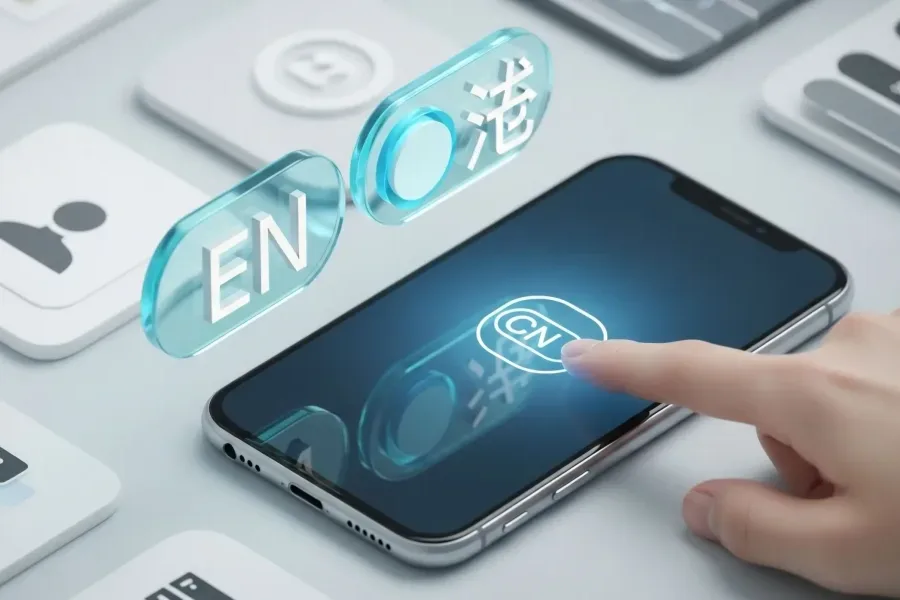
Why Localization Matters More Than Translation for Games
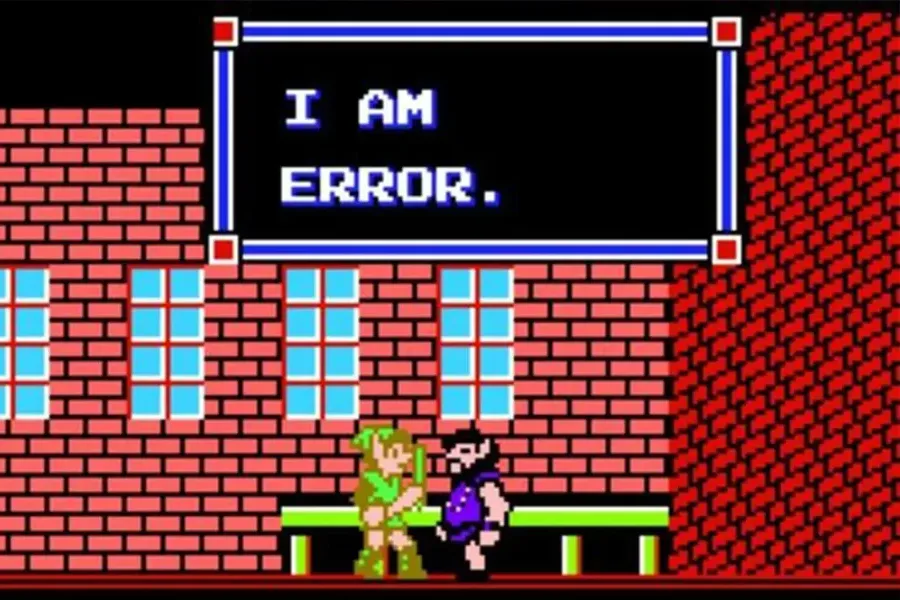
Games are immersive experiences, not instruction manuals — a joke that lands in English can fall flat or cause real offense elsewhere, and text expansion in languages like German or Thai can break a UI that wasn’t built for it. Good localization is invisible; bad localization gets a game review-bombed or delisted.
China
Hundreds of millions of gamers, strict content regulations, and culturally specific sensitivities around themes, symbols and age ratings.
Japan
High expectations for storytelling nuance and polished voiceover work.
Korea
Strong social and competitive features, with UI conventions that affect how content should be adapted, not just translated.
SCOPE OF SERVICE
What HI-COM Translates and Localizes
Platforms
Android, iOS, Windows, console (Xbox, PlayStation, Wii), PC, and online/browser games.
Genres
Action, adventure, RPG/MMORPG, simulation, strategy, shooter, sports and more.
Content Types
In-game dialogue and UI, gaming brochures and newsletters, promotional materials, game websites, and gamification/e-learning content.
Cultural Review and Content Compliance
Localization isn’t only language. HI-COM reviews content for cultural and regulatory fit before it reaches your target market:
Visual Content
Symbols, gestures or colors with unintended local meanings.
Storyline Elements
Themes that may be restricted or flagged in specific markets.
Age-Rating Differences
Content acceptable under one rating system may need adjustment to pass in another — for example, China’s content review compared to Europe’s PEGI system.
HOW IT WORKS
How the Process Works
Translator Matching & NDA
We select the translator(s) best suited to your game’s genre and content, and sign an NDA with every client before work begins.
Direct Communication
You stay in direct contact with the translator(s) throughout, so tone, character voice and intent stay consistent with your vision.
Native-Speaker Testing
Once translation is complete, native speakers of the target language test the game itself — not just the text in isolation — to confirm it looks, sounds and plays as intended.
Common Mistakes to Avoid
- Relying on auto-translation without human review — players notice.
- Not planning for text-length expansion in the UI.
- Skipping localization testing to save time or budget.
- Releasing single-language trailers on multilingual storefronts.
Plan localization early, not after launch — it’s cheaper, faster and more effective than retrofitting it in.
WHY HI-COM
Why Choose HI-COM for Video Game Localization in China
Consulting-Led, Not Vendor-Led
Game localization is handled as part of your broader China market-entry strategy.
NDA-First Process
Direct translator communication and confidentiality from day one.
In-Depth Cultural & Regulatory Research
Built into every project, not offered as an add-on.
Native-Speaker Testing
On the finished product, not just the text.
40+ Languages
Including Chinese (Simplified and Traditional), Japanese, Korean, and major European languages.
FAQ
Frequently Asked Questions
What’s the difference between video game translation and localization?
Translation converts your game’s text and audio into another language. Localization goes further, adapting dialogue, humor, UI/UX, character names and cultural references so the game feels built for that market rather than translated into it. Most game projects need both.
Do you test the localized game, or just translate the text?
Both. Once translation is complete, native speakers of the target language test the game directly — checking that dialogue, UI and pacing all work as intended in context, not just as isolated text.
What platforms and genres do you work with?
Mobile (iOS/Android), PC, console (Xbox, PlayStation, Wii), and browser/online games, across genres from RPG and MMORPG to simulation, strategy and shooter titles.
Will you flag content that might not pass review in a specific market?
Yes — cultural and regulatory review is part of the process, not a separate service. We research visual content, storyline elements and age-rating requirements for each target market before content ships.
How long does a video game localization project take?
Timelines vary by project scope — game length, number of languages, and whether native-speaker testing is included. Share your game and target languages with us and we’ll confirm a clear timeline as part of your quote.
FURTHER READING
More on Video Game Localization
Gaming Goes Global: Why Video Game Translation Is More Than Subtitles
A closer look at translation vs. localization, the China/Japan/Korea market factor, and common mistakes to avoid.
What You Need to Know About Game Localization
A broader look at game localization history, market context, and real case studies from HI-COM’s work.
Prefer WeChat?
Scan to contact us on WeChat and tell us about your game, its platform and your target languages.

Ready to Bring Your Game to New Markets?
Share your game, its platform and your target languages, and we’ll confirm the right approach for China, Japan, Korea, or 40+ other language markets.
Request a Quote →CONTINUE EXPLORING