


Dragon Boat Festival in China: Beyond the Races, Zongzi and Summer Rituals
Every year, as early summer arrives in China, rivers begin to sound like drums.
Long, narrow boats cut through the water. Rowers move in rhythm. Crowds gather along riverbanks. At home, families unwrap fragrant sticky rice parcels called zongzi, wrapped in bamboo or reed leaves.
This is the Dragon Boat Festival in China, also known as Duanwu Festival or 端午节.
For many foreign visitors, the festival may look like a colorful sporting event. However, Duanwu is much more than dragon boat racing. It is a festival of memory, health, family, seasonal protection and community identity.
In 2026, the Dragon Boat Festival falls on June 19, because it is celebrated on the fifth day of the fifth month of the Chinese lunar calendar. Mainland China observes a three-day public holiday from June 19 to June 21.
Why the Dragon Boat Festival in China matters
The Dragon Boat Festival is one of China’s most important traditional holidays. In 2009, it was inscribed by UNESCO on the Representative List of the Intangible Cultural Heritage of Humanity.
What makes Duanwu special is its mix of public energy and private memory.
There are races, drums and spectators. But there are also family kitchens, herbal customs, old legends and quiet wishes for health. The festival is festive, but not purely carefree. It remembers danger, illness and death. At the same time, it celebrates life, strength and protection.
This layered meaning is important for foreign audiences. Duanwu is not just “China’s dragon boat day”. It is a window into how Chinese culture connects history, nature, food and family.
The famous legend: Qu Yuan and the Miluo River
The most famous origin story is linked to Qu Yuan, a poet and minister from the ancient state of Chu during the Warring States period.
Qu Yuan is remembered as a loyal official who warned his rulers about political danger. After being exiled and witnessing the fall of his homeland, he is said to have drowned himself in the Miluo River.
According to tradition, local people rushed out in boats to search for him. They beat drums and splashed their paddles to scare fish away. They also threw rice into the river to protect his body or feed his spirit.
Over time, these actions became two of Duanwu’s most famous customs: dragon boat racing and eating zongzi.
This story gives the festival a moral dimension. Qu Yuan represents loyalty, integrity and the loneliness of a person who speaks the truth when power refuses to listen.
Older than one story: a festival for summer protection
The Qu Yuan legend is powerful. However, Duanwu is older and more layered than one origin story.
The festival arrives at the beginning of hot, humid summer. In ancient China, this season was associated with illness, insects, unstable weather and poisonous animals. The fifth lunar month was sometimes seen as a risky time of year.
That is why many Duanwu customs are protective.
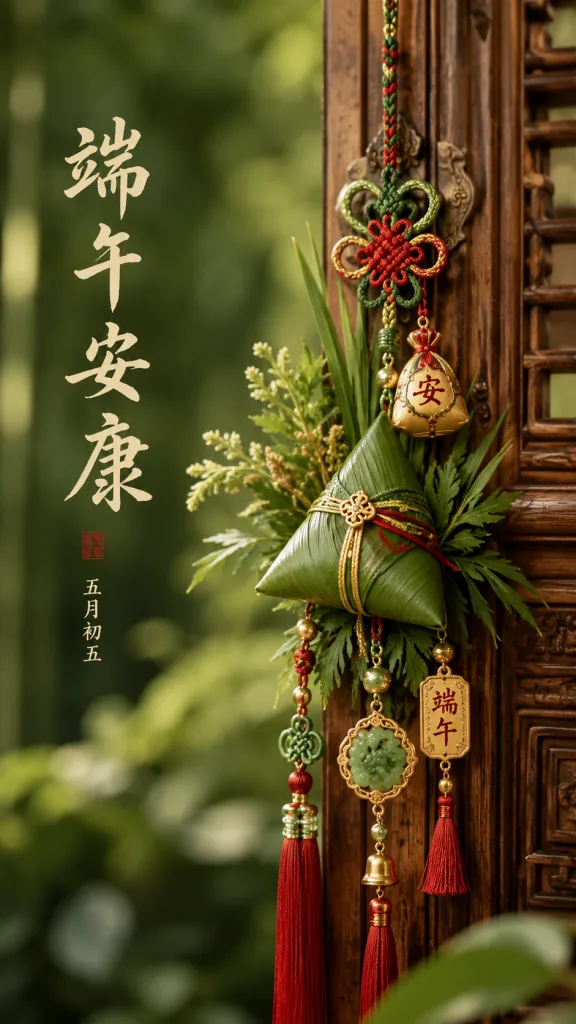
Families may hang mugwort and calamus near doors. Children may wear scented sachets filled with herbs. Some families tie five-colored silk threads around children’s wrists. These customs are often described as ways to repel illness, bad luck or harmful forces.
For a modern reader, these practices may look symbolic. Yet they also reflect practical seasonal wisdom. Strong-smelling herbs could help repel insects. Family rituals helped people feel prepared for the arrival of summer.
Duanwu is therefore not only about remembering the past. It is also about protecting the body and the household.
Zongzi: sticky rice with memory inside
No Dragon Boat Festival in China is complete without zongzi.
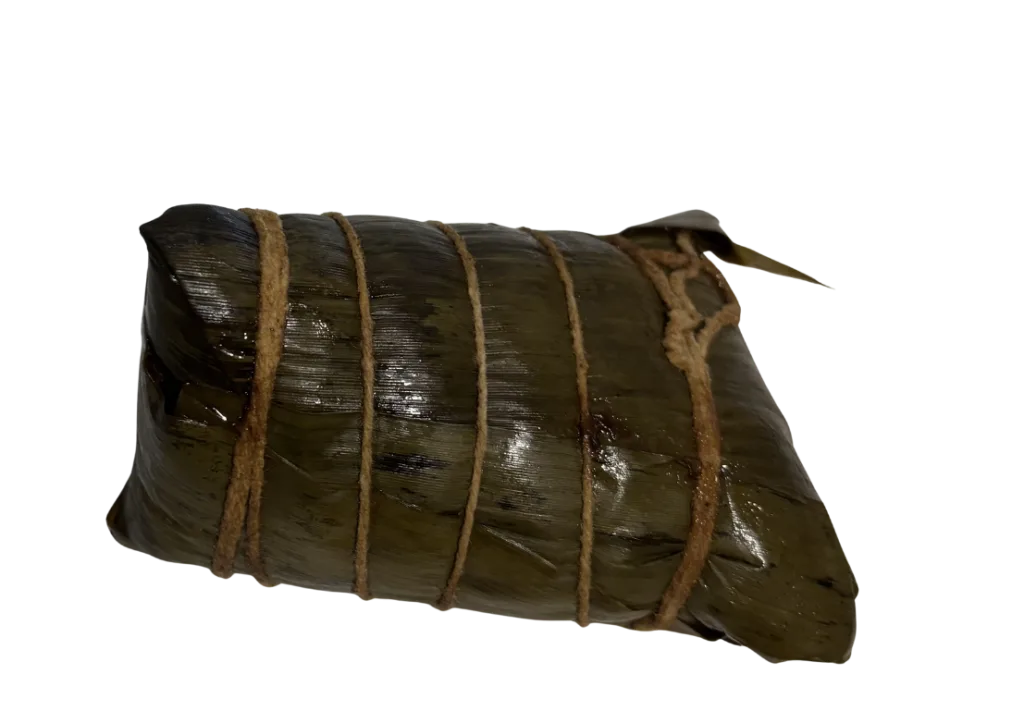
Zongzi are sticky rice dumplings wrapped in bamboo or reed leaves and tied with string. They can be steamed or boiled. Their shape and filling vary across regions.
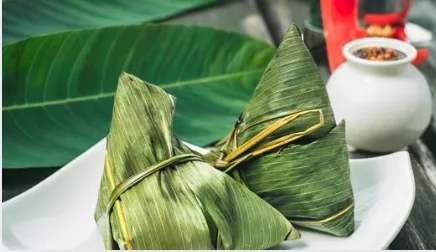
In northern China, zongzi are often sweet, with red dates or red bean paste. In southern China, they are often savory, with pork belly, salted egg yolk, mushrooms, mung beans or chestnuts.
This sweet-versus-savory debate is a small cultural universe by itself. Many Chinese families have strong opinions about which version is “real” or “better”. Of course, the best answer is usually the one made by your grandmother.
For foreign visitors, zongzi are one of the easiest ways to understand Duanwu. They are not just festival food. They are memory wrapped in leaves. The smell, the folding method and the filling often connect people to home.
Dragon boat racing: rhythm, teamwork and public emotion
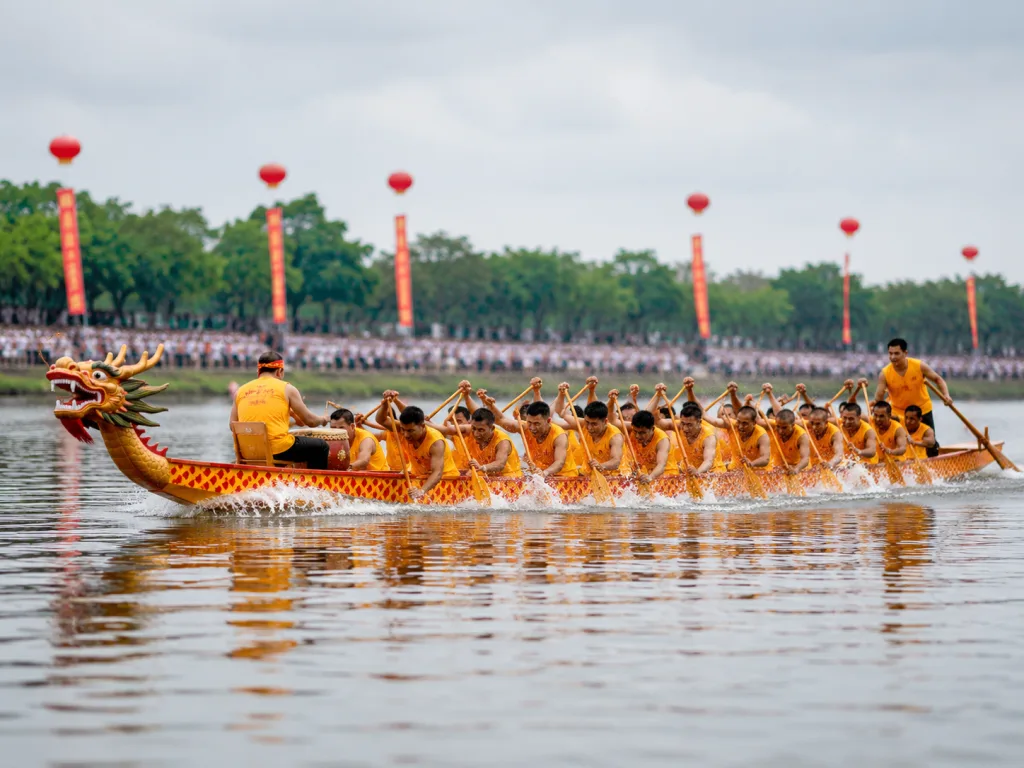
Dragon boat racing is the most visible symbol of the festival.
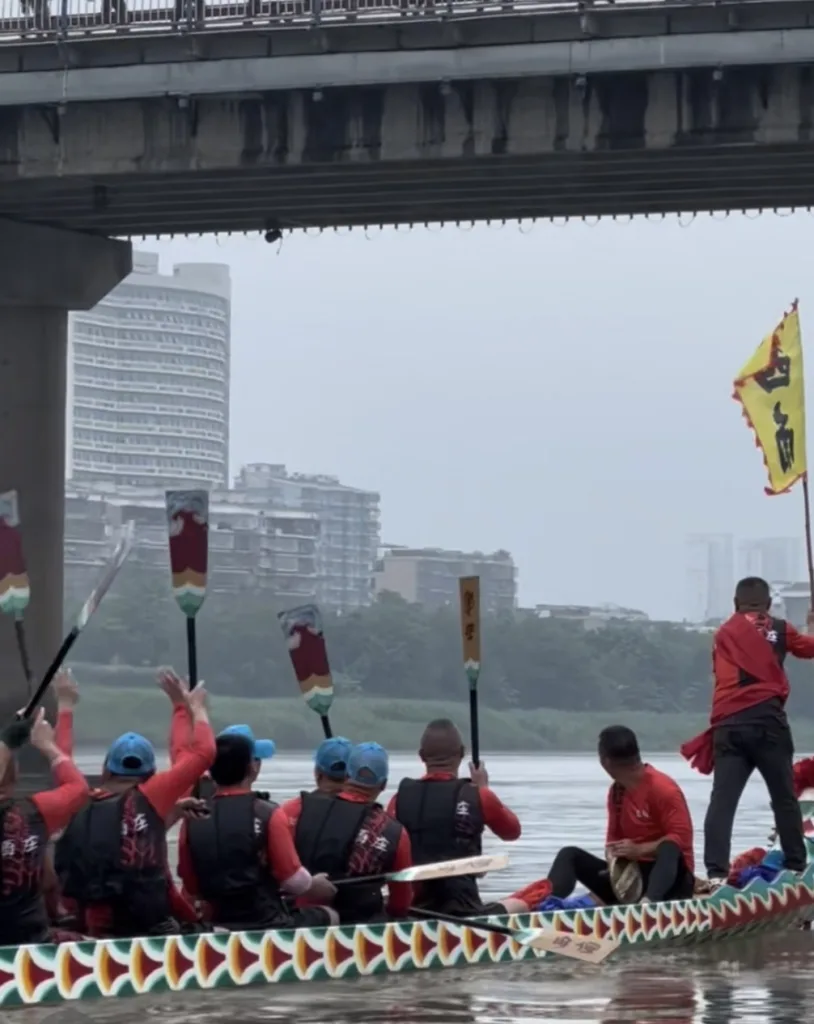
A dragon boat is long and narrow, with a dragon head at the front and a dragon tail at the back. Rowers paddle in pairs. A drummer sits near the front and sets the rhythm. The helmsman guides the boat.
The drum is not decoration. It turns individual strength into collective movement.
This is why dragon boat racing is such a strong image. A team cannot win through power alone. It needs timing, trust and shared rhythm.
Today, dragon boat racing is both a cultural ritual and an international sport. Races are held not only in China, but also in cities such as Hong Kong, Singapore, London, Berlin, New York and Vancouver. The festival has become global, while still keeping its Chinese roots.
Why people say “Duanwu Ankang” instead of “Happy Duanwu”
One detail often surprises foreigners: many Chinese people prefer not to say “Happy Dragon Boat Festival”.
Instead, they say 端午安康 — Duanwu Ankang — which means “peace and health during Duanwu”.
This greeting reflects the festival’s older meaning. Duanwu is linked to death, illness prevention and seasonal protection. So, while the festival is joyful, it is also serious.
“Duanwu Ankang” feels more appropriate because it wishes people safety, health and peace.
This nuance matters for brands, expats and international teams in China. A culturally sensitive message is not just a translation. It shows that you understand the emotional logic behind the festival.
Where to celebrate Dragon Boat Festival in Shanghai
Shanghai is a great city to experience Duanwu because it combines modern urban life with strong waterfront culture.
Suzhou Creek: Shanghai’s key dragon boat racing spot
The most important place to watch dragon boat racing in Shanghai is usually Suzhou Creek, especially in Putuo District.
In 2026, the 22nd Shanghai Suzhou Creek Dragon Boat Invitational Tournament was scheduled from June 12 to 14 on Suzhou Creek, ahead of the June 19 festival.
For visitors, Suzhou Creek is the best option if you want the classic Duanwu atmosphere: racing boats, drums, crowds and waterfront viewing.
Shanghai Haiwan National Forest Park: a family-friendly option
For a more relaxed outing, Shanghai Haiwan National Forest Park in Fengxian District is a good family-friendly choice. It is often associated with seasonal leisure activities, outdoor space and cultural events.
If you are visiting with children, this type of location can feel less intense than a crowded urban race area. It is better for a slower Duanwu experience, especially if you want nature, walking and family time.
Dishui Lake: open space and waterfront culture
Dishui Lake in Pudong New Area is another useful option to watch for local Duanwu activities. The area is known for water sports, open waterfront space and family outings.
For 2026, visitors should check the latest district-level event listings before going. Shanghai’s Duanwu programming can vary by year, and smaller community events may be announced close to the holiday.
What Duanwu teaches foreign brands and visitors
For international brands, the Dragon Boat Festival is not only a cultural date on the calendar.
It is a moment linked to family, wellness, tradition, food, outdoor activity and seasonal care. These themes can be meaningful for brands in food, beverage, tourism, hospitality, health, family products and lifestyle sectors.
However, Duanwu communication needs care.
A simple “Happy Dragon Boat Festival” message may feel generic. A better approach is to understand the festival’s real emotional codes: peace, health, protection, family connection and respect for tradition.
This is where cultural localization matters. At HI-COM, we help international companies understand Chinese cultural moments and adapt their communication for local audiences. This includes campaign messaging, social media content, event communication and cross-cultural brand strategy.
Duanwu also connects with other key cultural moments in China’s calendar, from Children’s Day and the kidult economy to the Gaokao, Qixi, Mid-Autumn Festival and Golden Week. Each moment has its own codes and emotions.
Conclusion: Duanwu is more than a dragon boat race
The Dragon Boat Festival in China is one of the best ways to understand how Chinese culture works.
It connects poetry and politics. It turns food into memory. It uses herbs and rituals to protect health. It transforms rowing into community rhythm. It brings families together at the start of summer.
For foreign visitors, the best way to experience Duanwu is simple: watch the boats, listen to the drums, taste zongzi, and notice the details.
The festival is not only about looking at tradition. It is about seeing how tradition still moves.
Need help localizing your communication for Chinese cultural events? Contact HI-COM to build messages that fit the market, the moment and the audience.