


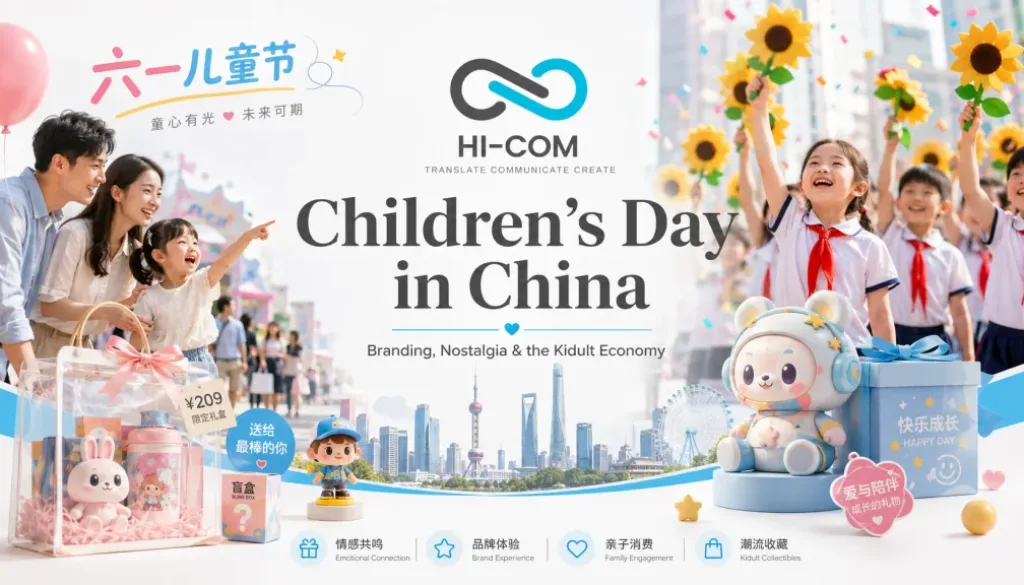
Children’s Day in China: What 六一儿童节 Reveals About Branding, Nostalgia and the Kidult Economy
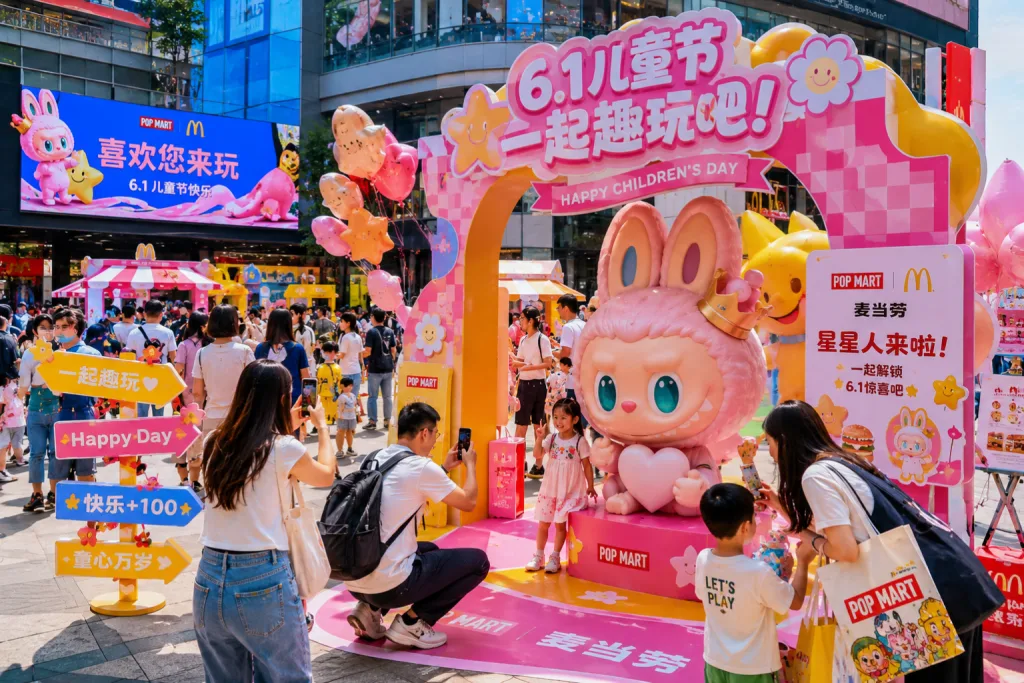
In China, Children’s Day is much more than just a school celebration. Known as 六一儿童节 (Liù-Yī Értóng Jié), it has become a cultural moment where family, childhood memories, consumer emotion and brand strategy all meet.
Every year on June 1, children across China take part in school shows, museum visits, family outings, games and special events. However, the day has also become much more than a children’s holiday. For brands, it is now a powerful marketing opportunity built around nostalgia, parent-child experiences, IP collaborations and the fast-growing “kidult” economy.
For international brands, Children’s Day offers a clear lesson: marketing in China works best when it connects with local emotions, platform habits and cultural timing. A campaign that feels relevant can create strong engagement. A campaign that feels copied and translated can easily be ignored.
What Is Children’s Day in China?
In mainland China, Children’s Day is celebrated on June 1. It is commonly called 六一儿童节 or 六一国际儿童节 (Liù Yī Guójì Értóng Jié). Children under 14 usually receive one day off, while adults do not automatically get a public holiday.
Even so, the celebration often involves the whole family. Parents organize activities, buy gifts, visit parks or shopping malls, and join parent-child events. Schools also prepare performances, sports days, class parties and cultural programs.
In 2026, Xinhua highlighted Children’s Day activities across China, including cultural events, science-related activities and celebrations focused on children’s growth and development.
For marketers, this makes Children’s Day a key example of 节日营销 (jiérì yíngxiāo), or festival marketing.
A Holiday with History, Not Just Discounts
Children’s Day in China has a longer history than many people may think. Before 1949, the Republic of China celebrated Children’s Day on April 4. Later, after the founding of the People’s Republic of China, the country aligned with the international June 1 date.
Internationally, Children’s Day is linked to child welfare, post-war protection movements and children’s rights. Today, different countries celebrate it on different dates, as shown in broader historical overviews such as Wikipedia’s Children’s Day entry. For a China-specific context, CLI’s guide to Children’s Day in China also provides useful background.
This matters for brands because Children’s Day is not only a sales date. It carries ideas of care, education, family responsibility, growth and childhood happiness. Campaigns that understand this emotional background usually feel more natural.
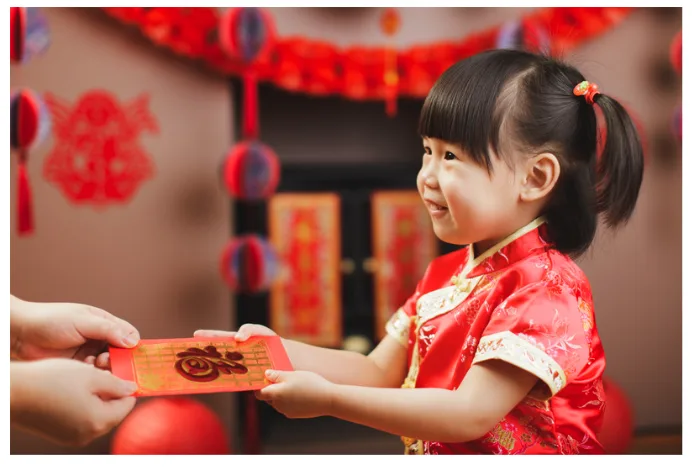
How Families Celebrate 六一儿童节 Today
Modern Children’s Day celebrations are lively and varied. School performances are still common, but the holiday now extends into museums, shopping malls, parks, cinemas, restaurants and travel destinations.
Typical celebrations include:
- school shows and talent performances;
- museum and park visits;
- parent-child activities;
- sports events and outdoor games;
- cultural workshops;
- shopping mall events;
- gifts, snacks and limited-edition products.
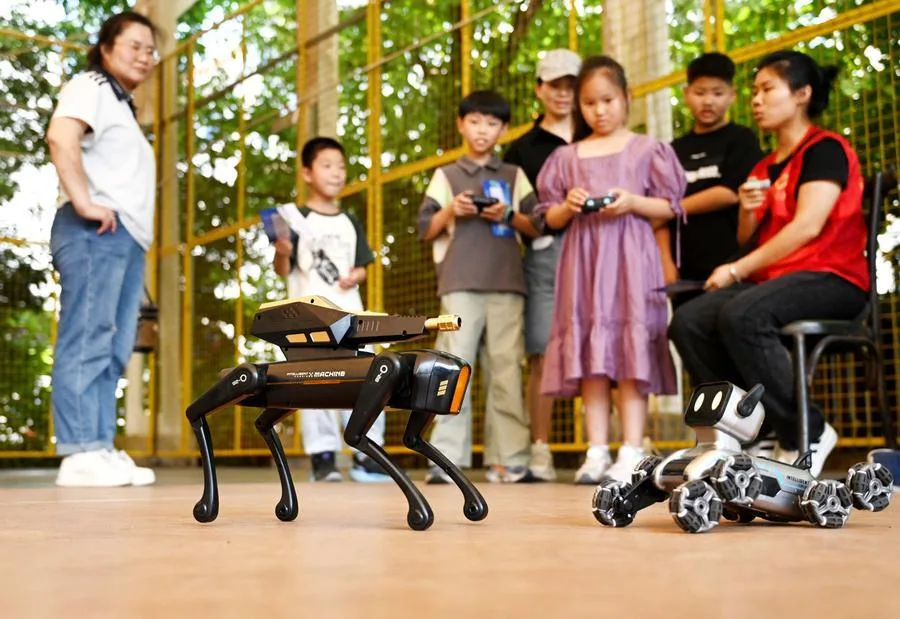
More recently, Children’s Day events have also included technology, AI, science, traditional culture and intangible cultural heritage. This reflects a broader shift in Chinese family consumption. Parents are not only looking for entertainment. They also want meaningful, educational and memorable experiences.
The Rise of the “Big Kids”
One of the biggest changes around Children’s Day is that adults now want to join the fun too.
In China, brands often use words like 童心 (tóngxīn), meaning childlike innocence, and 童趣 (tóngqù), meaning playful charm. These ideas speak not only to children, but also to young adults who enjoy nostalgia, cute products, collectible toys and playful experiences.
This is where the “kidult economy” becomes important. Children’s Day now reaches several audiences at once:
- children receiving gifts;
- parents planning family moments;
- young adults buying nostalgic products;
- 大朋友 (dà péngyǒu), or “big friends”, celebrating their inner child.
This shift is valuable for brands. It turns a children’s holiday into a multi-generation marketing moment.
A Personal Example: Reconnecting with Childhood
“For Children’s Day, even though I am over 20 years old, I took the day off and went out with my mother. It was a pleasant surprise. We walked around the city, had dinner at a nice restaurant, took photos and bought lottery tickets. I felt genuinely happy that day. It was a beautiful moment to reconnect with my parents and remember the times when I was a child.”
This kind of experience shows why Children’s Day in China now speaks to more than children. It also gives adults a reason to slow down, spend time with family and reconnect with memories from childhood. For brands, this emotional layer is exactly what makes the holiday so powerful.
What Smart Brands Do Differently on Children’s Day
The best Children’s Day campaigns in China do not simply offer discounts. They create emotion, memories and reasons to share.
They create parent-child moments
Many brands design 亲子活动 (qīnzǐ huódòng), or parent-child activities. These can include workshops, pop-up events, outdoor experiences, family travel packages or shopping mall games.
The goal is not only to sell. It is to help families spend time together. In China, this kind of emotional value can be more powerful than a simple promotion.
They bring back childhood memories
Nostalgia is a strong driver during Children’s Day. Brands often use retro cartoons, childhood snacks, old-school visuals or familiar characters to reconnect adult consumers with their own memories.
This works because it combines emotion and purchasing power. Children may receive the gifts, but adults often make the decision and share the experience.
They use IP collaborations to create buzz
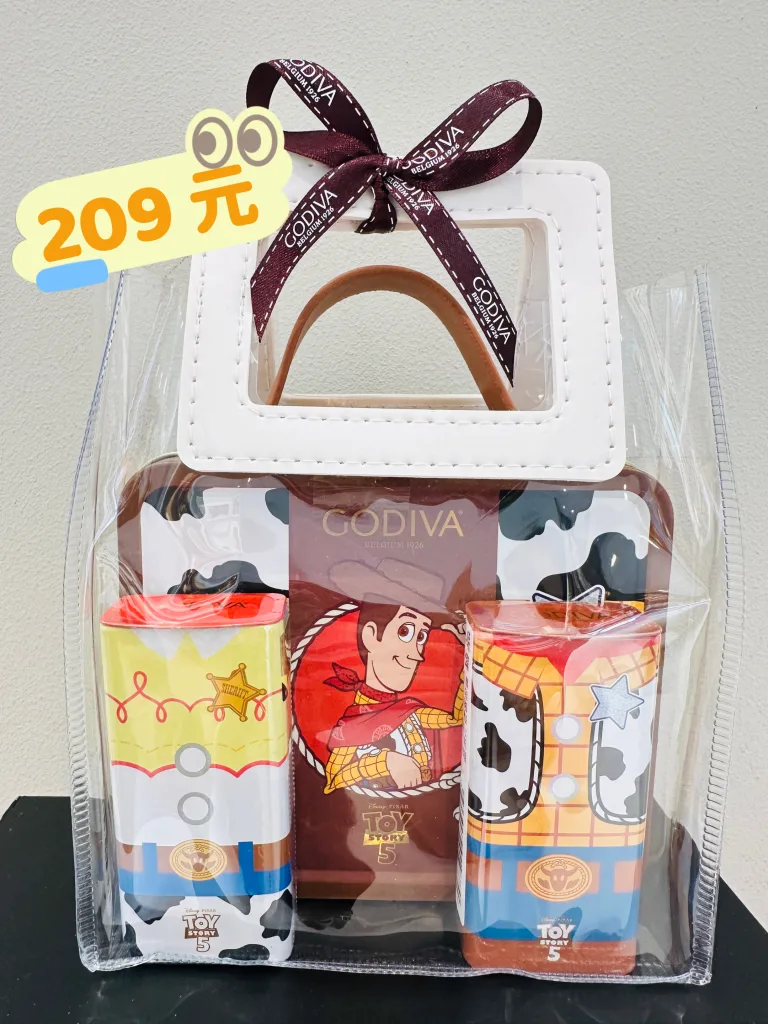
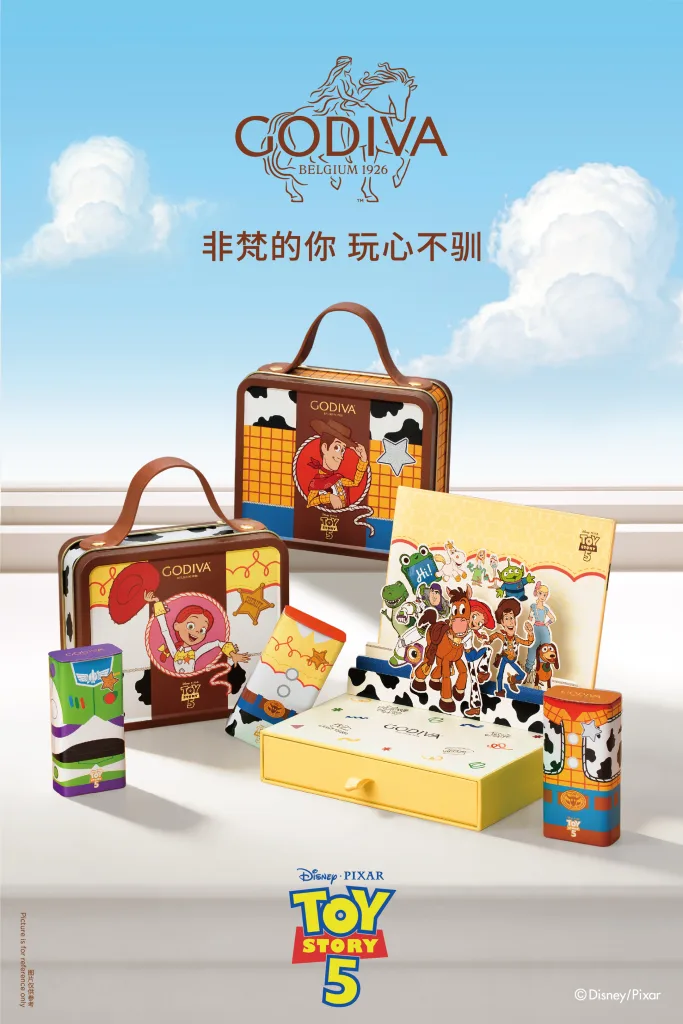
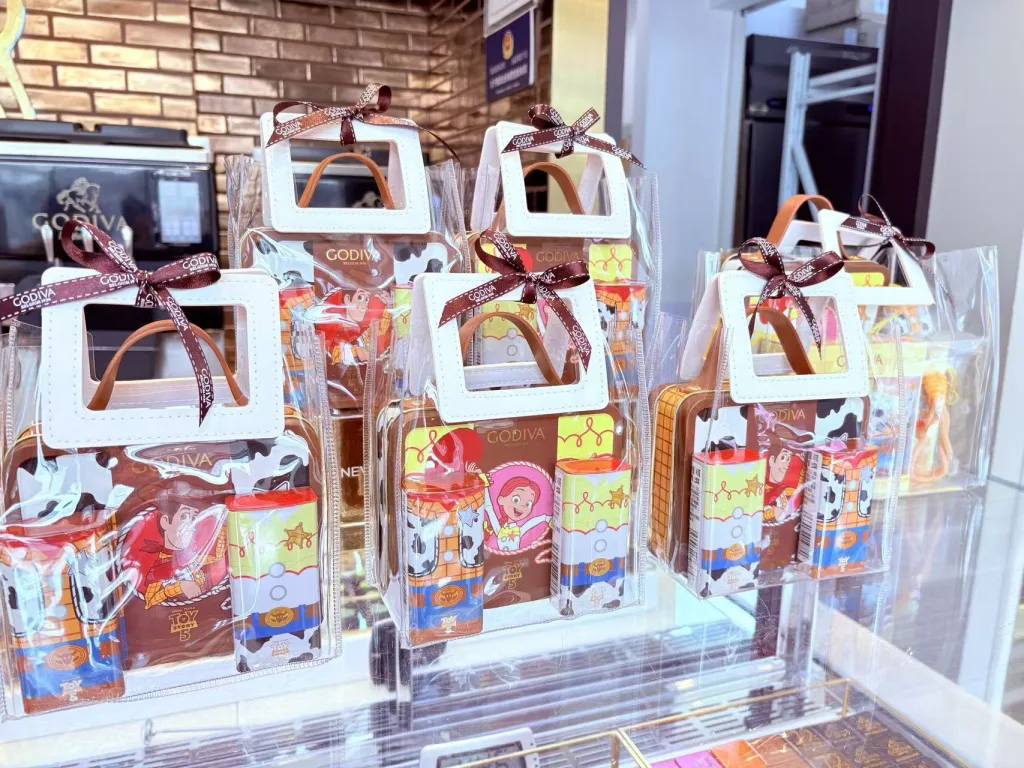
Children’s Day is also a strong moment for IP联名 (IP liánmíng), or IP collaborations. Cartoon characters, blind boxes, plush toys and collectible merchandise help brands create familiarity and excitement.
Limited editions, or 限定款 (xiàndìng kuǎn), are especially effective because they create urgency. They also encourage consumers to post, share and collect.
They make the experience visible offline
China is highly digital, but offline experiences still matter. A good 快闪店 (kuàishǎn diàn), or pop-up store, can become a photo spot, a social media asset and a brand memory.
Children’s Day is naturally visual. Families take photos. Young adults share playful content. Brands that design the right offline scene can turn one event into wider online visibility.
They connect with social values
Some brands use Children’s Day to highlight child welfare, education, health, positive parenting or rural support. This can work well when the message is sincere and aligned with the brand’s identity.
However, Chinese consumers are quick to notice empty gestures. Social responsibility must feel real, not decorative.
Why Children’s Day Matters for International Brands
Children’s Day is a useful case study for any international brand trying to understand China.
First, it shows that Chinese marketing is built around cultural timing. A campaign must fit the mood of the moment.
Second, it shows the importance of emotional language. Words like 童心 (tóngxīn), 童趣 (tóngqù) and 大朋友 (dà péngyǒu) carry meaning that a direct translation may miss.
Third, it shows how online and offline activation work together in China. A campaign may start in a mall, continue on Xiaohongshu, spread on Douyin and convert on Tmall or WeChat.
Finally, Children’s Day is close to the 618 shopping festival. This allows brands to move from storytelling to conversion within the same broader commercial period.
Useful Chinese Terms for Marketers
- 六一儿童节 (Liù-Yī Értóng Jié) — June 1 Children’s Day
- 六一国际儿童节 (Liù-Yī Guójì Értóng Jié) — June 1 International Children’s Day
- 儿童经济 (értóng jīngjì) — children’s economy
- 童心 (tóngxīn) — inner child / childlike innocence
- 童趣 (tóngqù) — playful charm
- 大朋友 (dà péngyǒu) — adults celebrating like children
- 亲子活动 (qīnzǐ huódòng) — parent-child activity
- 节日营销 (jiérì yíngxiāo) — festival marketing
- IP联名 (IP liánmíng) — IP collaboration
- 限定款 (xiàndìng kuǎn) — limited edition
- 快闪店 (kuàishǎn diàn) — pop-up store
These terms are useful because they reveal how Chinese brands frame Children’s Day. They also show how much emotion, playfulness and family culture shape the holiday.
What Children’s Day Teaches Us About Branding in China
Children’s Day in China is a strong reminder that successful branding is not only about visibility. It is about cultural relevance.
A good campaign understands who is being addressed: children, parents, young adults, or all of them at once. It also understands what people want to feel. Joy, nostalgia, pride, care and playfulness all matter.
For international brands, the key lesson is simple. China does not reward generic seasonal marketing. It rewards brands that understand the local context and build campaigns with the right emotional tone.
How HI-COM Helps Brands Build Campaigns That Make Sense in China
At HI-COM Asia, we help international brands move beyond simple translation. Our team supports brands with market research, localization, naming, content strategy, campaign planning and Chinese platform activation.
For a moment like Children’s Day, this means understanding the audience, choosing the right message, adapting the creative idea and selecting the platforms that matter. It also means knowing when a campaign should focus on families, nostalgia, IP collaboration, social engagement or conversion.
China’s consumer market moves fast. However, being proactive is not enough. Brands also need cultural accuracy, strong positioning and local execution.
Planning a campaign for Children’s Day, 618, Chinese New Year or another key moment in China? HI-COM Asia can help you turn cultural insight into a clear branding and marketing strategy.
Contact HI-COM Asia to build campaigns that speak to Chinese consumers with the right message, at the right time, on the right platforms.
Conclusion: More Than a Children’s Holiday
Children’s Day in China is a cultural, emotional and commercial moment. It brings together family life, education, nostalgia, play and consumption.
For local brands, it is already a major marketing battlefield. For international brands, it is a valuable lesson in how China works: emotion, timing, and cultural details all matter.
From 六一儿童节 to the kidult economy, Children’s Day shows how Chinese consumers connect memory, identity and purchase. Brands that understand this can create campaigns that feel human, relevant and memorable.