

Simultaneous Interpreting for a Shanghai Finance Conference: A HI-COM Case Study
A finance conference is one of the least forgiving settings for interpreting. Numbers, deal terms and regulatory language move quickly, and a delegate who missteps on a figure in real time can misstate a position that takes days to correct.
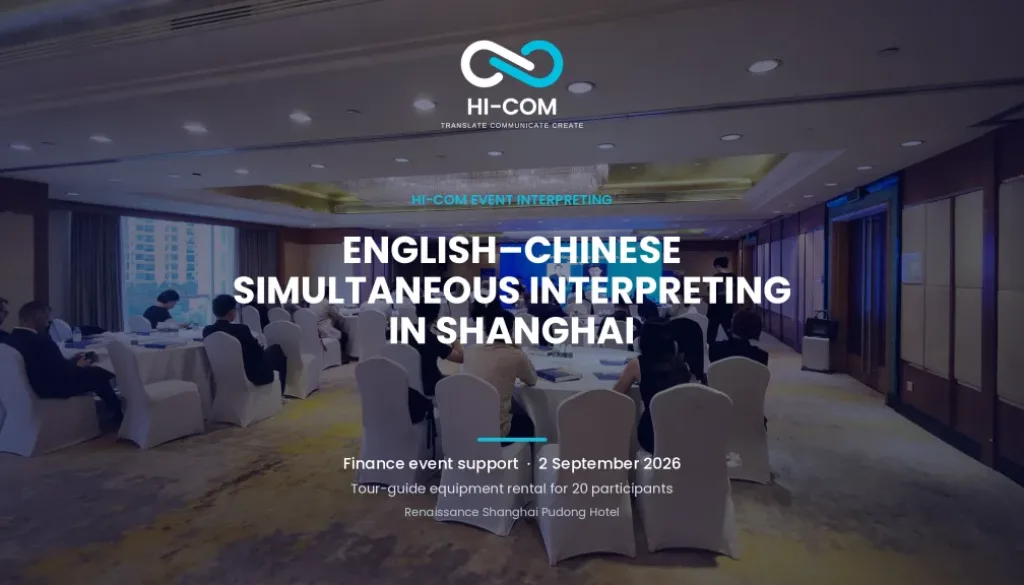
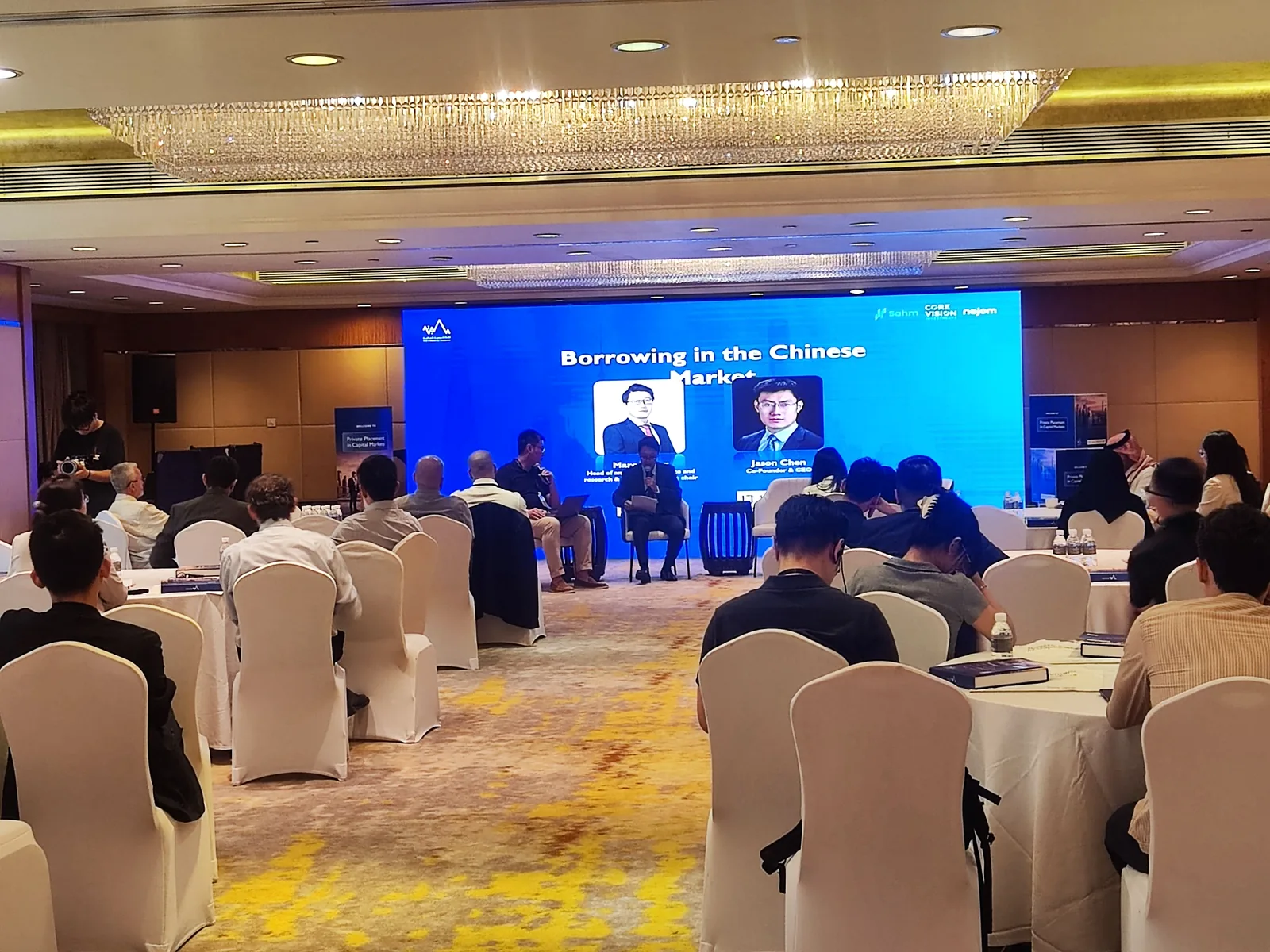
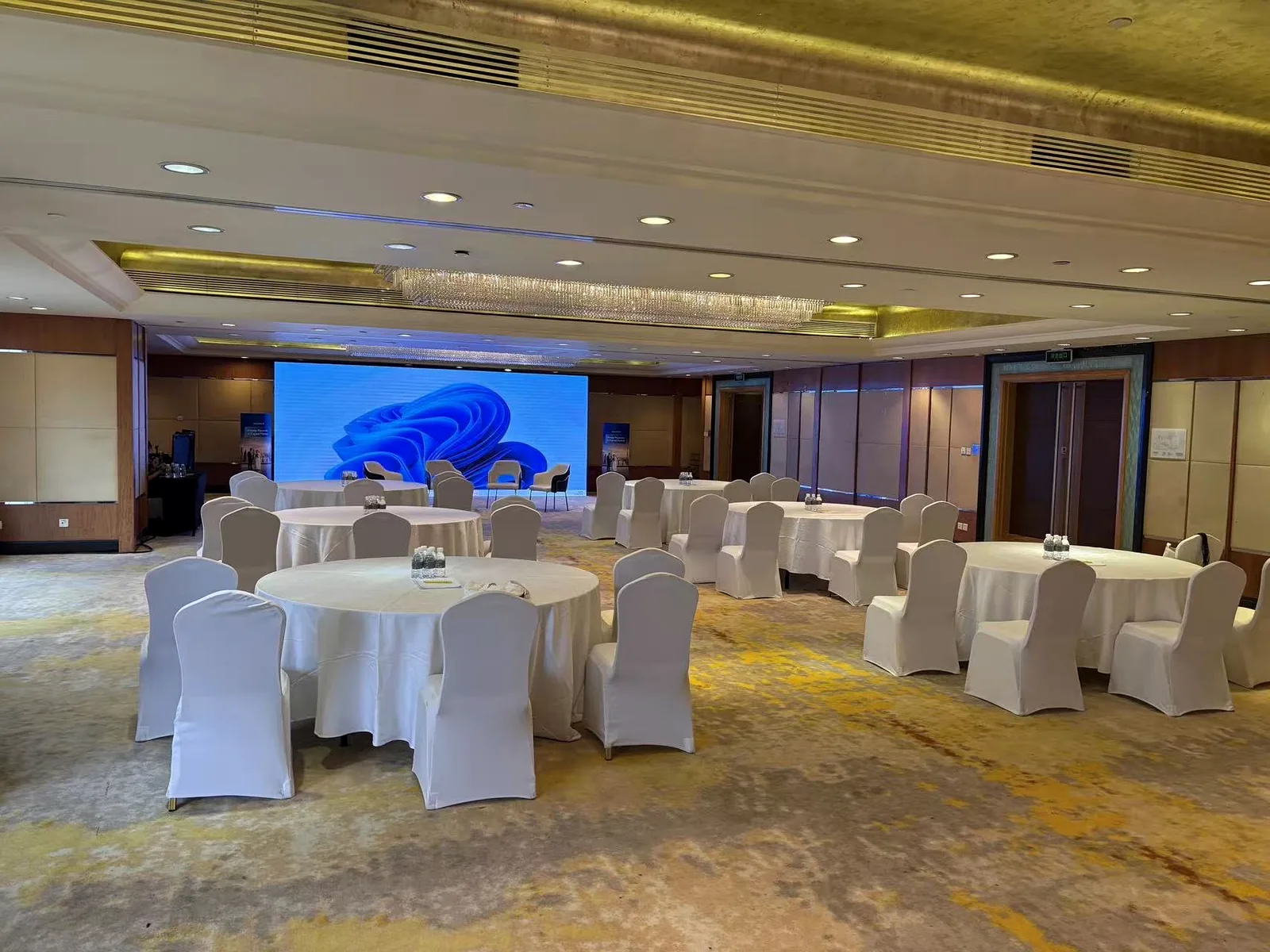
On September 2, 2026, HI-COM’s China-based team delivered English–Chinese simultaneous interpreting for a half-day finance conference at the Renaissance Shanghai Pudong Hotel, together with the on-site wireless equipment needed to deliver it to a 20-person audience.
This case study walks through how the project was staffed, briefed and set up — from matching an interpreter to the subject matter, to the equipment that carried the interpreting to every seat in the room.
Book Simultaneous Interpreting in China
Contact HI-COM on WeChat
Project Overview
- Service: Simultaneous interpreting, English–Chinese
- Field of expertise: Finance
- Event date: September 2, 2026
- Event time: 1:00 PM – 7:00 PM
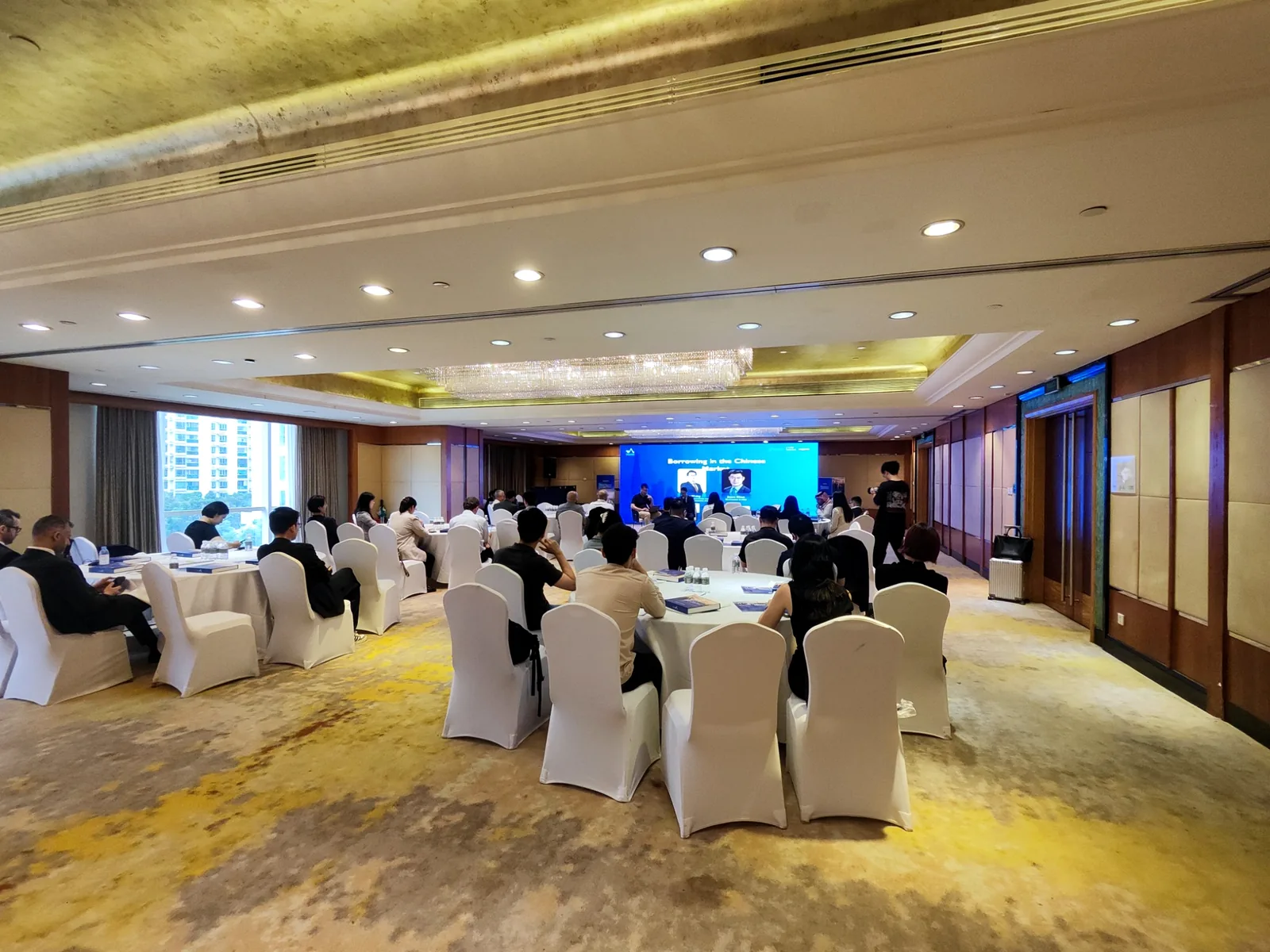
- Location: Renaissance Shanghai Pudong Hotel, Nile Room, 5th floor
- Attendees: 20 participants
- Equipment: Wireless simultaneous interpreting transmitter and 20 receiver/earpiece sets, set up on-site
- HI-COM scope: Interpreter sourcing and briefing, equipment rental, on-site setup and event-day support
The Brief: Interpreting a Finance Conversation, Not Just a Language
The client’s brief was straightforward on paper, a six-hour session, one language pair, one room. What made it demanding was the subject matter. Finance interpreting carries almost no margin for approximation: a mistranslated figure, a mishandled term for an instrument or a mangled reference to a regulation can change what a listener understands a speaker to have said. The interpreter has to keep pace with the speaker in real time while holding that level of precision for the full six hours.
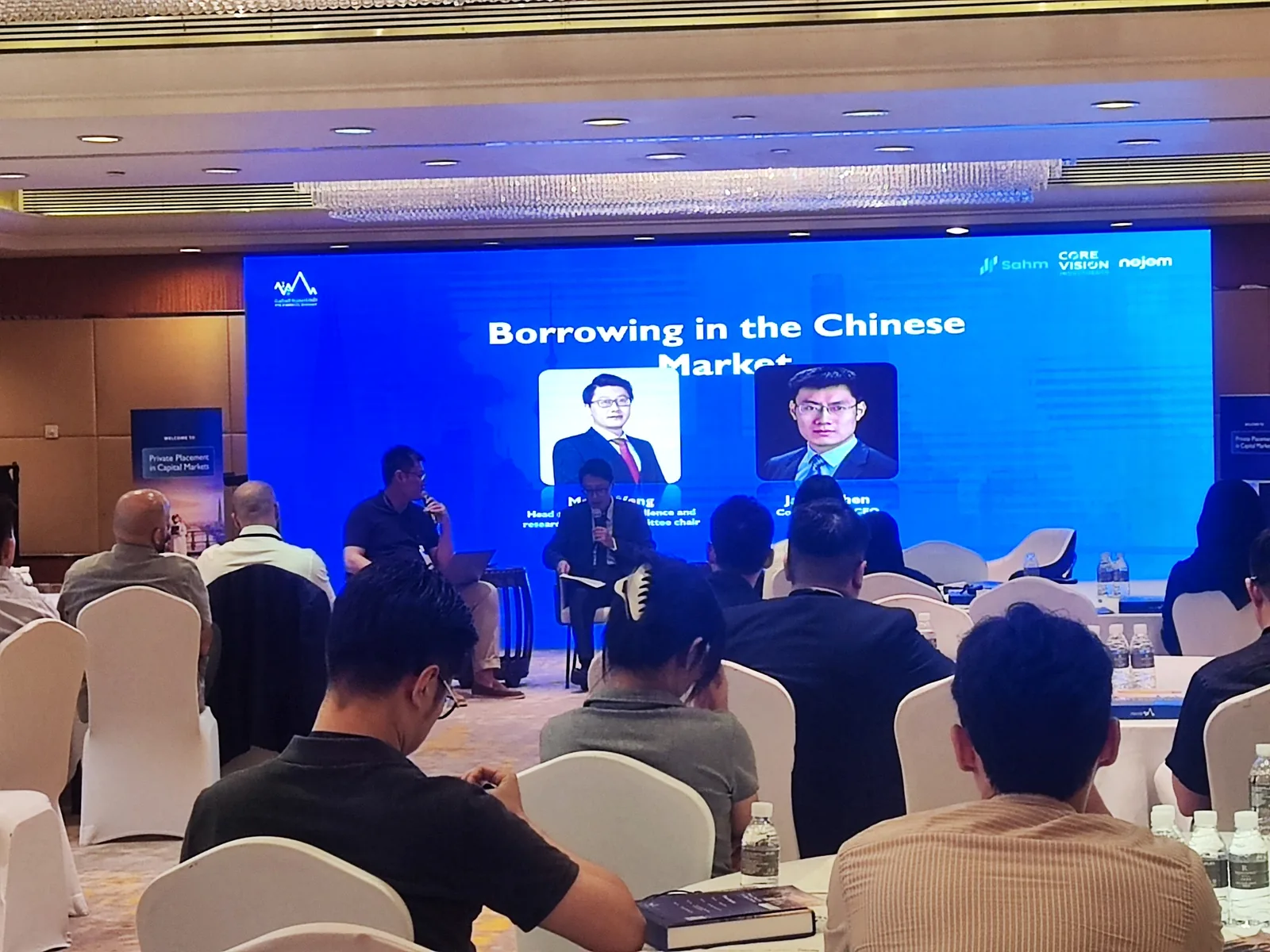
The session centered on a panel discussion covering the Chinese capital market, with English and Chinese speakers presenting to a mixed audience. That meant the interpreting had to run in both directions throughout the afternoon, not just from one language into the other.
Interpreter Selection and Briefing
HI-COM sources from a China-based network of 2,000+ professional interpreters built over 10+ years of on-the-ground project delivery, which makes it possible to match an interpreter to a field, not only a language pair. For this project, that meant selecting an interpreter with direct experience in financial and capital-markets terminology, someone who did not need the vocabulary explained mid-sentence.
Matching the right interpreter is only the first step. Before the event, HI-COM’s team confirmed the panel topics and terminology with the client so the interpreter could prepare in advance, rather than encountering unfamiliar terms for the first time live in the room. That preparation is what allows a simultaneous interpreter to keep pace with a fast-moving discussion without lagging behind or flattening the nuance of what a speaker actually said.
On-Site Setup: Equipment and Organization for 20 Attendees
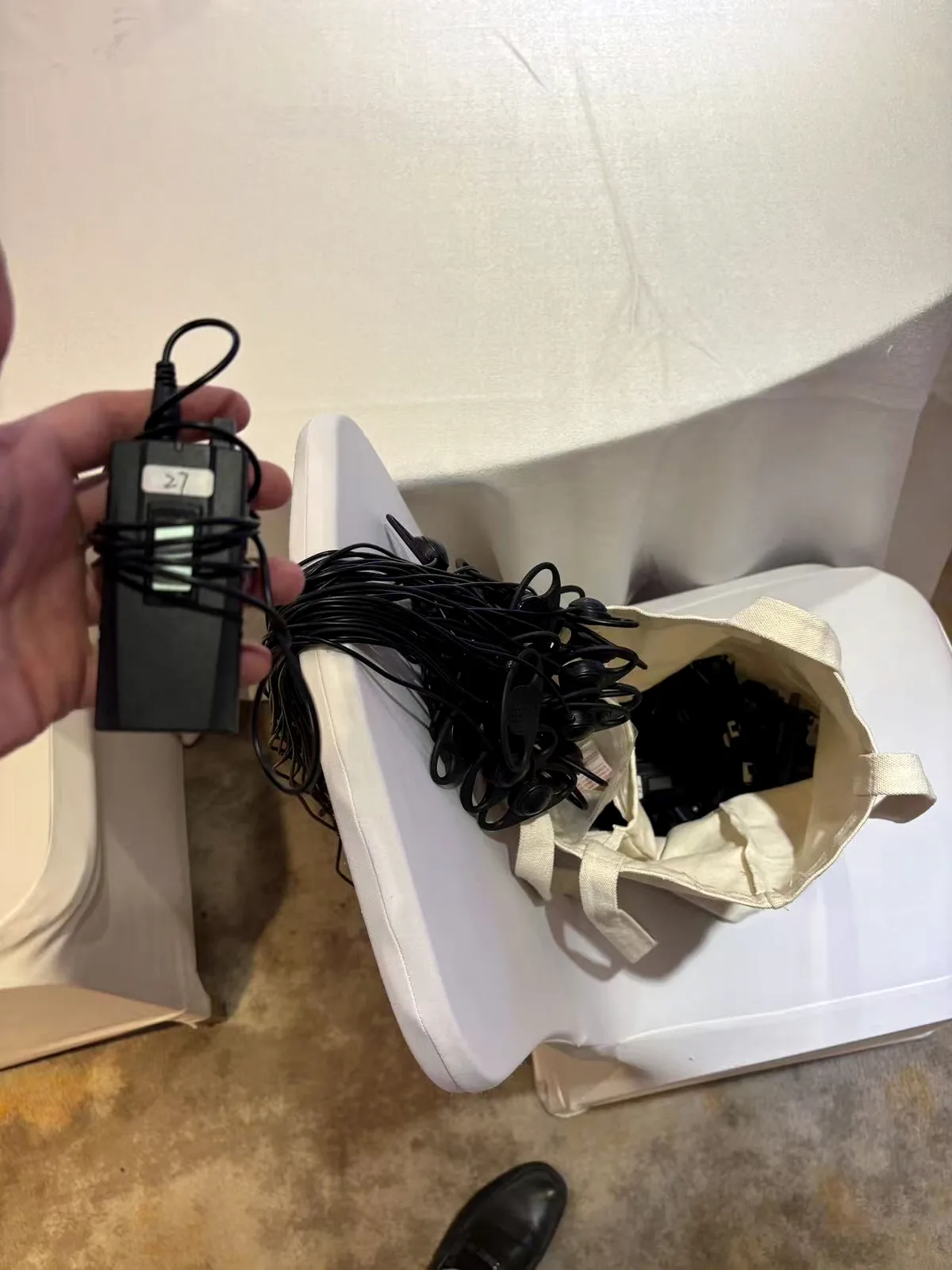
Not every simultaneous interpreting assignment calls for a fixed, soundproof booth. For a half-day session with 20 attendees in a single hotel meeting room, HI-COM supplied a portable wireless simultaneous interpreting system instead: a transmitter for the interpreter and a receiver with an earpiece for each of the 20 participants, so every attendee could listen to the interpreting in real time without leaving their seat or the discussion being interrupted.
This is the same style of equipment HI-COM uses for interpreting on guided tours and delegation visits, lightweight, quick to distribute and collect, and built for a defined group size rather than a large public audience. HI-COM’s team handled the equipment rental, tested it on-site before the session began, and managed distribution and collection for all 20 sets across the event, so the client’s own staff could focus on running the conference rather than the technical setup.
Why This Combination Matters
Booking an interpreter and renting equipment are often treated as two separate line items, sourced from two different suppliers who never speak to each other before the event. That split is where problems tend to surface, equipment that does not match the room, a headset count that does not match the final attendee list, or an interpreter who receives no briefing on what they will be interpreting until they sit down.
Running both under one team removed that gap. The same team that briefed the interpreter on the panel’s financial terminology also configured the equipment for the room and the confirmed headcount, and stayed on-site through the full six hours to manage both if anything needed adjusting.
Planning Simultaneous Interpreting for an Event in China?
Tell HI-COM your event’s language pair, subject matter, room size and attendee count for an initial project assessment.
What This Project Demonstrates
A one-day, single-room assignment can carry the same standard as a large conference: an interpreter matched to the subject matter and briefed in advance, equipment sized correctly for the room and the attendee list, and one team accountable for both from booking through to the final minute of the session. None of that requires a large production, it requires the sourcing, briefing and logistics to be handled by people who do this regularly, not assembled for the first time on the day.
Key Takeaways for Organizing Simultaneous Interpreting in China
- Match the interpreter to the subject, not only the language pair. Financial, legal and technical content each need an interpreter who already knows the vocabulary.
- Confirm terminology and materials before the event. Briefing an interpreter on panel topics in advance is what lets them keep pace with a fast-moving discussion.
- Size the equipment to the real attendee count. A wireless receiver system should be ordered and tested against the confirmed headcount, not an estimate.
- A soundproof booth is not always required. A portable transmitter-and-receiver system can be the right choice for a single-room session with a defined group size.
- Keep interpreting and equipment under one accountable team. It closes the gap that appears when language support and technical logistics are booked from separate suppliers.
- Plan for the full event window, not just the sessions. On-site support across setup, the live session and equipment collection avoids gaps at the edges of the schedule.
Frequently Asked Questions
What is simultaneous interpreting?
Simultaneous interpreting is real-time interpreting delivered as the speaker talks, rather than in pauses between sentences. It is typically carried to the audience through interpreting equipment, either a soundproof booth and receivers, or a portable wireless transmitter-and-receiver system for smaller groups, so listeners hear the interpretation with only a few seconds of delay.
What equipment is needed for simultaneous interpreting?
At minimum, a simultaneous interpreting setup needs a transmitter for the interpreter and a receiver with an earpiece for each listener. Larger conferences typically add a soundproof interpreting booth; smaller, single-room sessions can use a portable wireless system instead, which is faster to set up and can be resized to the confirmed attendee count.
Do you need a soundproof booth for simultaneous interpreting?
Not always. A soundproof booth is standard for large conferences with multiple language channels, but a portable wireless transmitter-and-receiver system is a practical alternative for a single-room session with a smaller, defined group, such as the 20-attendee finance event covered in this case study.
Can HI-COM provide equipment for a group tour or delegation as well as a conference?
Yes. The same style of wireless receiver equipment used for this finance conference is also used for interpreting on guided tours and delegation visits, where a group moves between locations and needs to keep hearing the interpreter without gathering around them.
Does HI-COM provide consecutive interpreting as well as simultaneous?
Yes. Depending on the format of a meeting or event, HI-COM can provide either simultaneous interpreting for real-time delivery or consecutive interpreting, where the interpreter speaks after the speaker pauses — better suited to smaller meetings and negotiations.
Can interpreting be delivered remotely for an event based in China?
Yes. For events that are fully remote or combine on-site and remote participation, HI-COM also offers remote and hybrid simultaneous interpreting, managed by the same China-based team.
How much notice does HI-COM need to book an interpreter for a finance event?
As early as possible, and ideally at least a few weeks ahead for specialist subject matter such as finance, so the interpreter has time to review terminology and materials before the event. Booking early also helps secure an interpreter with the right industry background during busy conference and trade-fair periods.
Planning Interpreting or On-Site Support for Your Next Event in China?
HI-COM’s China-based team sources and briefs interpreters, manages equipment rental and setup, and stays on-site to support the full event window — see HI-COM’s multilingual interpreting services in China for the full range of formats, including business interpreting for negotiations and factory visits. For larger events that need coordinated on-site logistics beyond interpreting alone, see HI-COM’s event and exhibition support in China.
Discuss Your Event
Scan to Contact HI-COM on WeChat
Send us your event’s date, language pair, room size and attendee count for an initial project assessment.
Prepared by the HI-COM Asia Interpreting Team. Client identity withheld; project details published with authorization. Published: September 4, 2026.