

Business Trip to China in 2026: The Essential Preparation Guide
Doing business in China in 2026 still comes down to five things: a professional interpreter booked in advance, WeChat and Alipay set up before you land, a VPN installed before you leave home, a small thoughtful gift in your bag, and a basic respect for local etiquette. Get those right and the rest of the trip takes care of itself.
China is one of the world’s most dynamic business destinations, but it runs on its own digital ecosystem, its own payment rails, and its own unwritten rules of etiquette. None of that is difficult to prepare for — it just has to be done before you board the plane, not after you land. This guide walks through what actually matters for a first-time or occasional business traveler heading to China in 2026, built from what we see repeatedly with the clients we support on the ground.
Why Preparation Matters More in China Than Elsewhere
In many markets, a business trip is mostly logistics: flights, a hotel, a meeting room. In China, the logistics are the easy part. The apps you rely on at home stop working. Cash becomes almost useless. And the impression you make in the first five minutes of a meeting — how you hand over a business card, whether you brought a small gift, whether you made an effort with a Mandarin greeting — can shape the tone of the entire relationship. Chinese business culture places real weight on preparation and respect, and counterparts notice when a visitor has clearly done their homework.
1. Book a Professional Interpreter Early

Even when your Chinese counterparts speak English, subtlety gets lost. Numbers, technical terms, and contract language are exactly where misunderstandings tend to happen, and by the time you notice, it can be expensive to unwind.
Match the interpreter to the setting: a consecutive interpreter works well for smaller meetings and negotiations, while a simultaneous interpreter is built for conferences and larger events. A good interpreter does more than convert words — they read the room, understand the etiquette, and can flag when something is being phrased delicately for a reason.
Wherever possible, book someone with real experience in your industry, and do it early. An interpreting agency based in China can match you with the right specialist and confirm availability, which matters most during trade fair and conference season when good interpreters are booked out weeks ahead.
2. Set Up Your Digital Toolkit Before You Land
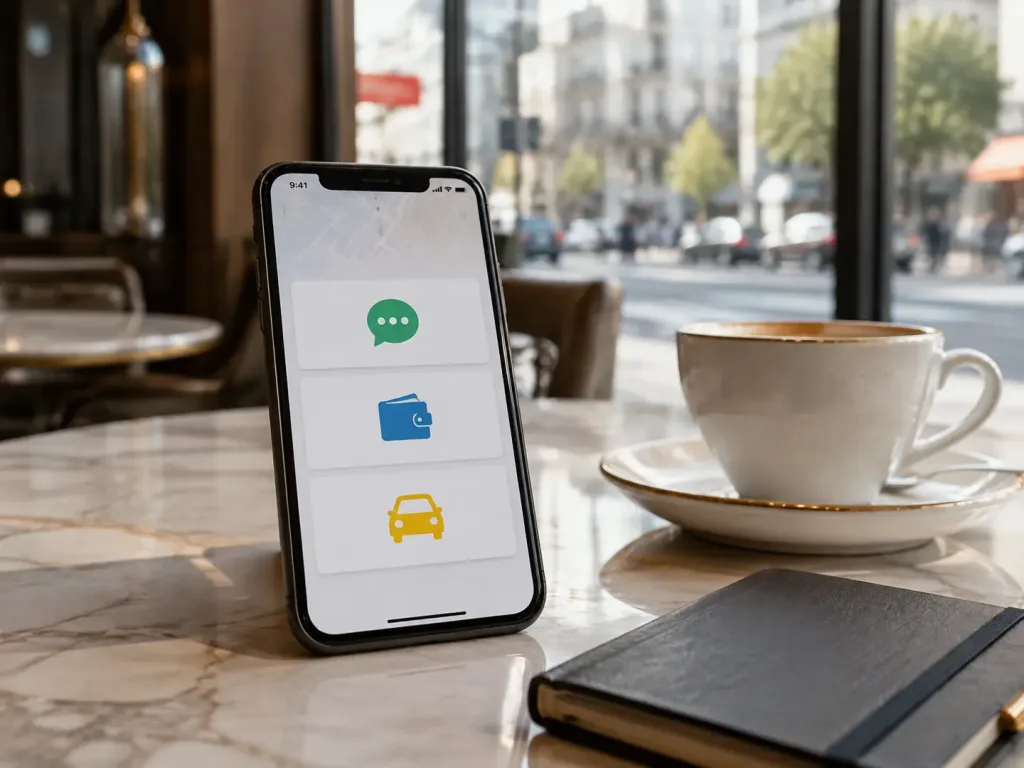
China runs on a closed digital ecosystem. WhatsApp, Gmail, Google Maps, Instagram, and most Western banking and messaging apps simply do not work in mainland China without a VPN — and by the time you realise that in your hotel room, it is too late to fix it easily.
WeChat is the app your contacts will actually use to stay in touch with you — messaging, video calls, digital business cards, and networking all run through it. Email is used far less than in Western business culture, so if you are not on WeChat, you are effectively harder to reach. Alipay is the second essential: it is how you pay for almost everything, from a taxi to a coffee to a train ticket.
Didi, China’s answer to Uber, is worth installing before you land too. In Beijing and Shanghai especially, hailing a street taxi at peak hours can be genuinely difficult, and Didi’s English-language interface makes it painless. The video below walks through installing Didi and booking your first ride.
Do not skip the VPN. If you want to keep using WhatsApp, Instagram, Gmail, YouTube, or LinkedIn while you are in China — and most business travelers do — you will need a VPN (Virtual Private Network) installed and tested before you leave home. VPN provider websites are themselves often hard to reach once you have arrived, so this is one preparation step that genuinely cannot be left until the last minute.
3. Master Cashless Payments

China’s shift to cashless payment is close to complete. Many street vendors and smaller restaurants now prefer, or exclusively accept, mobile payment — some no longer take cash at all. Arriving without Alipay or WeChat Pay set up means being unable to pay for ordinary things: a bottle of water, a subway ticket, a snack from a street stall.
Most international credit and debit cards can now be linked directly to Alipay. Do this before you travel, or as your very first task after landing, and it will cover the overwhelming majority of situations you encounter. The video below shows the process.
WeChat Pay works the same way and is worth linking too, though in our experience, most visitors find Alipay’s setup process the smoother of the two. Here is how to link a card to WeChat, for reference.
4. Learn the Basics of Chinese Business Etiquette

A handful of small habits carry real weight in Chinese business settings. Present and receive business cards with both hands, and take a moment to actually look at the card before putting it away — not straight into a back pocket. Arrive on time, or a few minutes early. Let your host lead on seating order, toasting, and who speaks first; hierarchy and “face” (mianzi) shape the rhythm of a meeting more than in many Western business cultures.
Bringing a small, thoughtful gift is also part of the culture — it is not about value, but the gesture. Chocolates, a local specialty from your hometown, or a modest branded item all work well. Avoid clocks and watches, associated with bad luck, and avoid anything that looks expensive enough to create a sense of obligation. Something that tells a small story about where you come from tends to land best, and often becomes the icebreaker for a genuinely good conversation.
5. Learn a Few Words of Mandarin

Fluency is not the goal — effort is. “Nǐ hǎo” (hello), “Xièxiè” (thank you) and “Zàijiàn” (goodbye) take five minutes to learn and reliably warm up a room. Chinese business contacts consistently notice and appreciate the attempt, even when it is imperfect, and it sets a friendlier tone for everything that follows.
Practical Extras Worth Knowing
Power sockets: China primarily uses Type A and Type I sockets, which may not match what you use at home. Check this plug guide and pack an adapter rather than hoping your hotel has a spare.
Visas and entry: Most business travelers still need a visa to enter mainland China, though China has steadily expanded visa-free transit and entry arrangements for a growing list of countries in recent years. Rules vary by nationality and trip length and do change, so confirm the current requirements for your passport with the nearest Chinese embassy or consulate before you book.
Frequently Asked Questions
Do I need a visa for a business trip to China in 2026?
Most foreign nationals still need a visa, though China has expanded visa-free transit and entry policies for a growing number of countries. Confirm current requirements for your specific nationality before booking, since rules change and vary by trip length.
Is China completely cashless now?
Not entirely, but close. Alipay and WeChat Pay are the default almost everywhere, including many places that no longer accept cash at all. Carrying a small amount of cash as backup is still sensible, but a card linked to Alipay covers the vast majority of situations.
Do I actually need a VPN in China?
Yes, if you plan to use WhatsApp, Gmail, Google, YouTube, Instagram, Facebook, or LinkedIn. None of these work in mainland China without one. Install and test your VPN before you leave home.
How early should I book an interpreter?
As early as your schedule allows, and ideally several weeks ahead for conferences, trade fairs, or technical discussions, so you can secure someone with the right industry background and language pairing.
What should I avoid gifting a Chinese business contact?
Clocks and watches (linked to bad luck), sharp objects like knives or scissors (associated with severing a relationship), and anything expensive enough to feel like it creates an obligation. A modest gift tied to where you’re from is the safest choice.
Ready for Your Trip

None of this is complicated, but it does need to happen before you leave: an interpreter booked, WeChat and Alipay set up, a VPN installed, a small gift packed, and a little cultural awareness in your back pocket. Travelers who take these steps consistently report smoother meetings and warmer receptions — the kind of first impression that turns a single trip into an ongoing relationship.
At HI-COM, we support international businesses with interpreting services, professional translation, and digital marketing for the Chinese market. If you are preparing for an upcoming trip, we are happy to help you get ready — from booking the right interpreter to navigating the practical details covered above.