



How to obtain your Chinese non-criminal record, have it translated, and have it certified with a Chinese apostille after leaving China – 2026 Guide
Here’s a common situation: a foreign national used to live and work in China. He left China without obtaining his Chinese non-criminal record covering the time he spent in China. He now needs it for a new job he is applying for in his home country. Not only that – he also needs it notarized, translated, and legalized with the relevant apostille. If you are in a similar situation, then read on !
This article will explain how former China residents can apply for their non-criminal record certificate, have it notarized, translated, and legalized with the Hague convention apostille, without having to travel back to China. If you haven’t left China yet, and need to obtain your non-criminal record, read our article here.
As well as for employment purposes, obtaining a Chinese Non-Criminal Record Certificate (NCR) may still be required for immigration, residency, or visa applications. The process is significantly different when the applicant is no longer residing in China.
Who Can Apply After Leaving China?
Foreigners who have legally resided in China in the past may apply for a non-criminal record certificate even if they are no longer in the country.
Typical applicants include:
- Former expatriate employees in China
- Students who studied in China
- Foreign spouses or family members of Chinese residents
- Business professionals who previously held work permits or residence permits
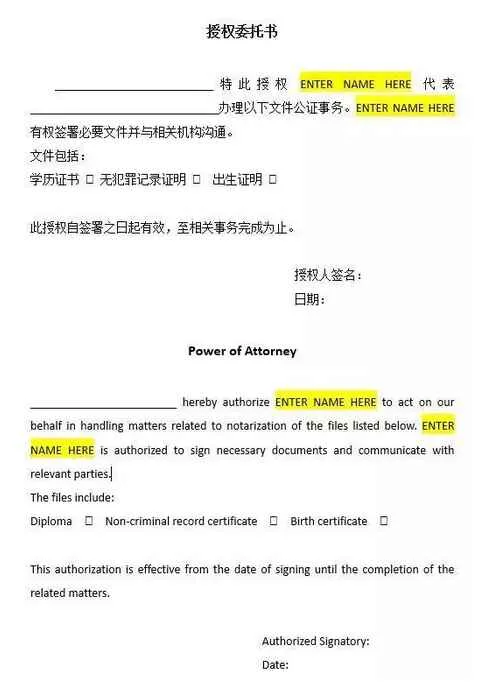
Unlike individuals currently residing in China, former residents generally cannot submit applications in person. Instead, they must apply through a designated representative, which requires a duly signed Power of Attorney (POA).
Where to Apply After Leaving China?
The issuing authority remains the same:
- Exit and Entry Administration
Usually, each district has an Exit and Entry Administration office, so you can simply choose the one closest to you.
Required Documents (Overseas Applicants)
Standard requirements typically include:
- Original signed copy of the Power of Attorney to be sent to the person or agency acting on your behalf.
- Copies of both the previous and current passports corresponding to the relevant Chinese residence permit, including all Chinese visa pages and entry/exit stamps (if available)
- Proof of former address in China (rental contract, registration form, etc.)
- Application form issued by the Exit and Entry Administration
In most cases, for the Power of Attorney, you must sign it, and then go to a local notary in your home country and have it legalized or apostilled. You must then send the original copy back to your contact in China.
Application Procedure (Step-by-Step)
Step 1: Prepare documents abroad
The applicant (you) gathers all the required documents mentioned above.
Step 2: Appoint a representative in China
The applicant appoints a representative in China to act on their behalf. This could be a friend, colleague or professional agency used to handling such requests.
The applicant sends the required documents by post and by email to their representative
After receiving the applicant’s documents, the representative submits the application to an approved Exit and Entry Administration Bureau.
Step 3: Verification
The officer will review all submitted documents and conduct a criminal record check based on the applicant’s exit and entry records maintained in the system. A receipt will then be issued, and the certificate will typically be available for collection within 2–3 working days.
Notarization and translation in China
Once issued, the non-criminal record certificate usually requires:
- Notarization by a Chinese notary office
- Translation by a designated translation agency working with the notary
The representative submits the required documents to a notary office for review. Once the application has been accepted, the notary office will arrange for the translation and issue a collection receipt. The completed notarized document and its corresponding translation are generally ready for collection in a sealed envelope or package within 2–3 working days. Expedited processing may be available upon request.
Apostille vs Consular Legalization
China joined the Hague Apostille Convention in 2023.
- For Hague Convention countries, an Apostille is required
- For non-Hague countries, consular legalization still required
To obtain an Apostille, the representative must book an appointment through the Shanghai Foreign Affairs Service Center (SFASC) Mini Program and visit the center in person to submit the notarized document package. Once accepted, the apostilled documents are generally available for collection within 2–3 working days. Expedited processing and courier delivery services may be available for an additional fee.
Once your representative has collected the apostilled documents, he can then arrange to send the original copies to you by courier.
If you have any questions about the above process, or if you are looking for an agency to obtain your non-criminal record on your behalf, then don’t hesitate to contact us today!